

Treadmill vs overground running. This should put this discussion to bed!

I can't tell you how many times I have been asked the question, " is treadmill running a valid way to analyse gait?" The smart money has always said, well, it depends on whether you are talking about a research environment or a clinical environment, coz, the rules are different.
That said, a brand new paper may well have put the debate to bed once and for all, and, the answers almost certainly will not be what you expect!
Read articleHow should we run? Will Gait retraining help?
Once all but ignored, running technique is now the topic of countless magazine and Web site articles, is taught by a growing number of running coaches, and is intensively discussed on Internet chat forums and actual training runs.
These days, the way we run is covered by one catch-all phrase.."form". But the major question to be asked and answered is: can a correct style of running, in fact be effectively taught—or, is there is an identifiably correct way to run that every runner can learn and use to run faster and with fewer injuries? And the even bigger question may well be, "does changing form decrease or increase the risk of injury?
Read articleAre Bouncy Running Strides More Economical?
A new study of 'stride angle' produces unexpected results.
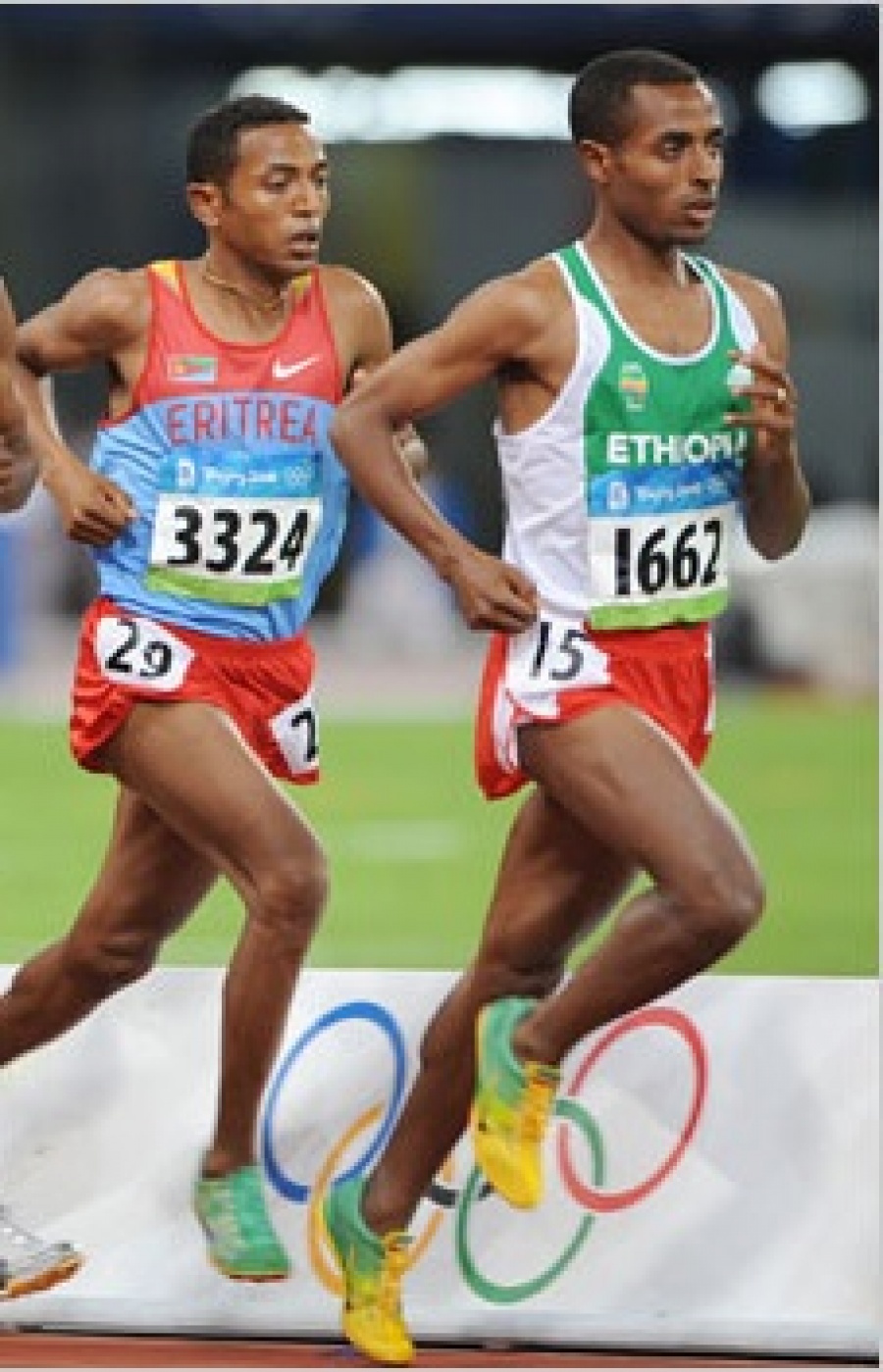
Like many of us I suspect, I have always been of the opinion that a bouncy gait.. or to get fancy, overt vertical oscillation with unneccessay lost of potential (as distinct from kinetic) energy, was a bad thing for a runner. However, new research coming out of Spain has got a few of us thinking...
Read articleGait analysis systems: Which is best?
Wunderkind Mr Chris Bishop has returned after sunning his chops in Phuket.. he gives us his view on readily available gait analysis systems.

For years, clinicians and scientists have been fascinated by the way humans move and the analysis of gait has formed a large part of clinical practice for many practitioners.
Read articlehow good is your eye 2
So this is the second of our little gait analysis series, and today we have Clarissa, a very good under age sprinter. Max will give a little more detail on Clarissa, but to date she has been pretty injury free. Gait analysis like this can help keep her that way!
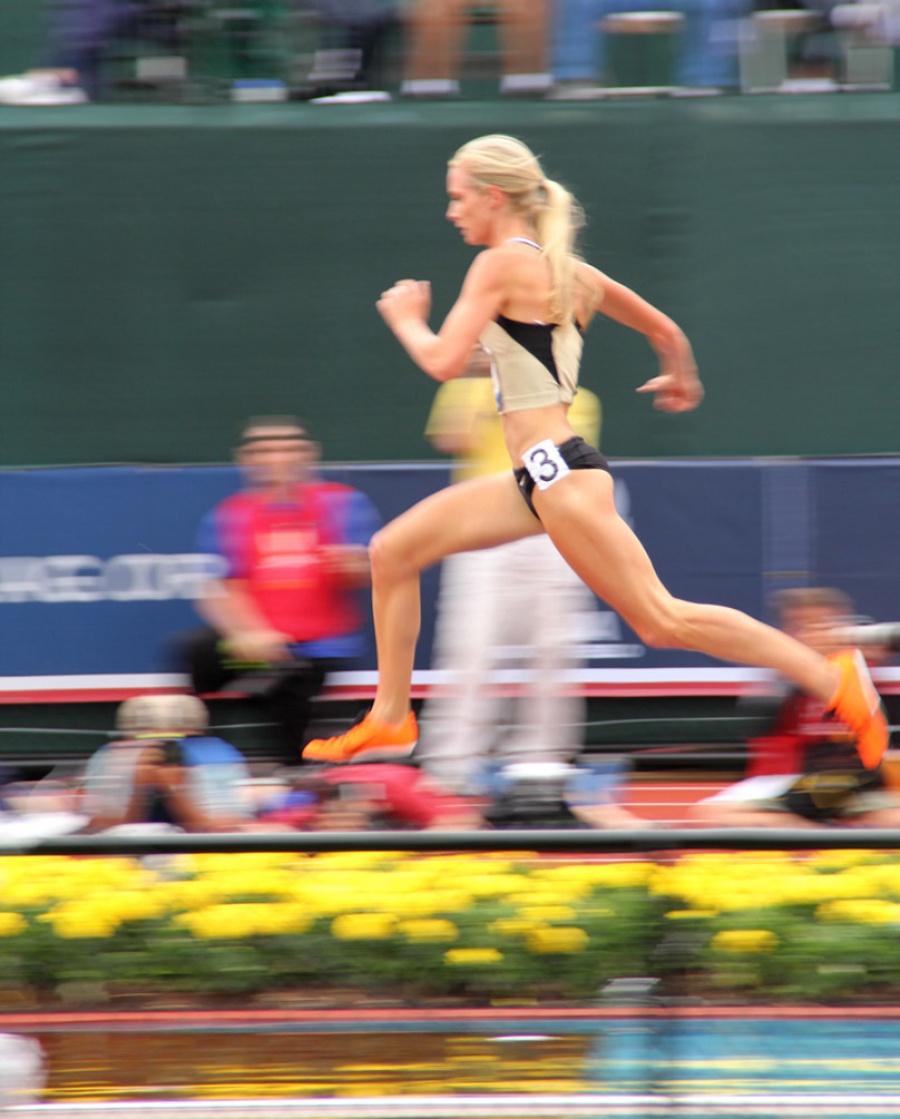
As usual, I have not read Max's appraisal and will put my 2 cents worth in before cutting and pasting his comments. Let's roll the video..
Read articleHow good is your eye?
So what I thought we would do here is a series of 4 athletes, Rosie, Clarissa, Ryan and Andrea, and their gait analysis from 2 different perspectives.
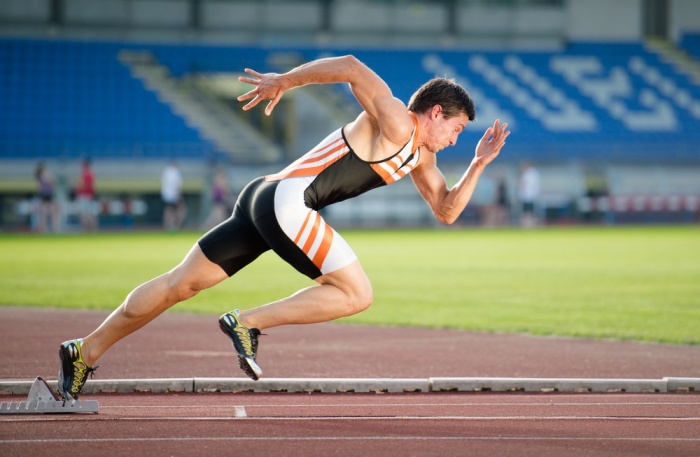
The first commentary will be from me, and the second from sports scientist and the coach of these athletes, Max Martin
Read articleA Member question..Darren asked the following:
Would you please consider a review/s about gait analysis devices/apps, in-shoe pressure measurement systems.
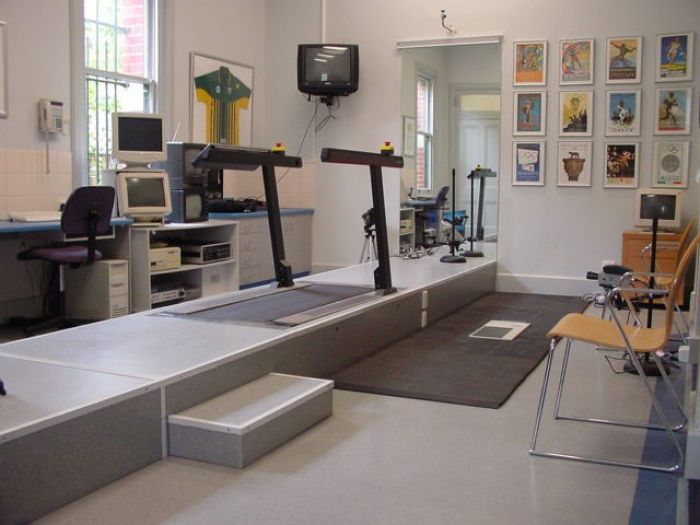
A recent paper seems to lament/criticise in-shoe systems due to lack of friction analysis. However, an amazing presentation at the I-Fab conference in Sydney last year that suggested they had developed an in-shoe system that could measure friction.
Read articleThe Foot Posture Index..when to use it and when not to use it!
The Foot Posture Index, developed by my old mate Tony Redmond, is an incredibly useful clinical tool. However, its drawbacks illustrate the need to be cautious when using 'numbers' to make clicnical decisions. It might be a lot more complex than that..!
Just to refresh your memory, The Foot Posture Index (FPI) is a diagnostic clinical tool aimed at quantifying the degree to which a foot can be considered to be in a pronated, supinated or neutral position. The most recent version of the FPI can be viewed here.
Read article| x | 0 | x |