

A comprehensive and pictorial essay on tumours that masquerade as sports injury. 1 CME point

So.. we have looked at the general rules for spotting tumours that masquerade as sports injury. Let's now take the next important steps: Identify the actual tumour, map its prognosis, examine its distribution, and talk about treatment.
Read articleWhat you absolutely, positively CANNOT afford to miss. Tumours that pose as sports injury. 0.5 CME credits
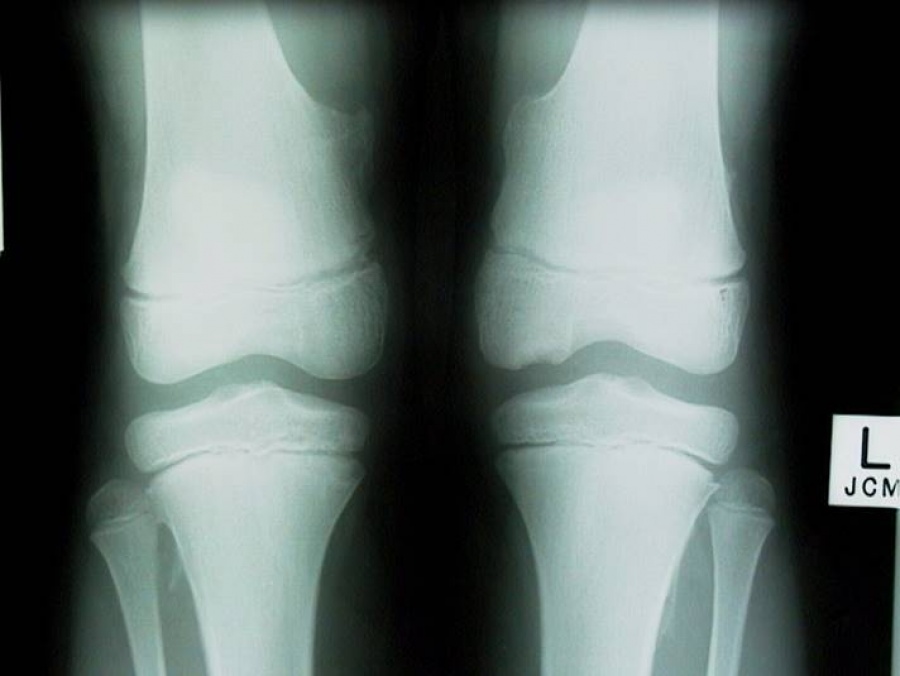
“A brain scan revealed that Andrew Caddick is not suffering from a stress fracture to the shin”
Joe Sheldon, Sports Commentator.
Neoplastic disease masquerading as a sports injury. Miss this one at your peril..
Non-resolving or atypical pain as a result of sporting injury is a far from uncommon event in active patients. Benign tumours, including osteoid osteoma, aneurysmal bone cyst and chondroblastoma can mimic the symptoms of common sports-related injury e.g. muscle or tendon injury.
Read articleTendinopathy.. or.. tendinitis? Have we come full circle.. or.. what the HELL is it!!
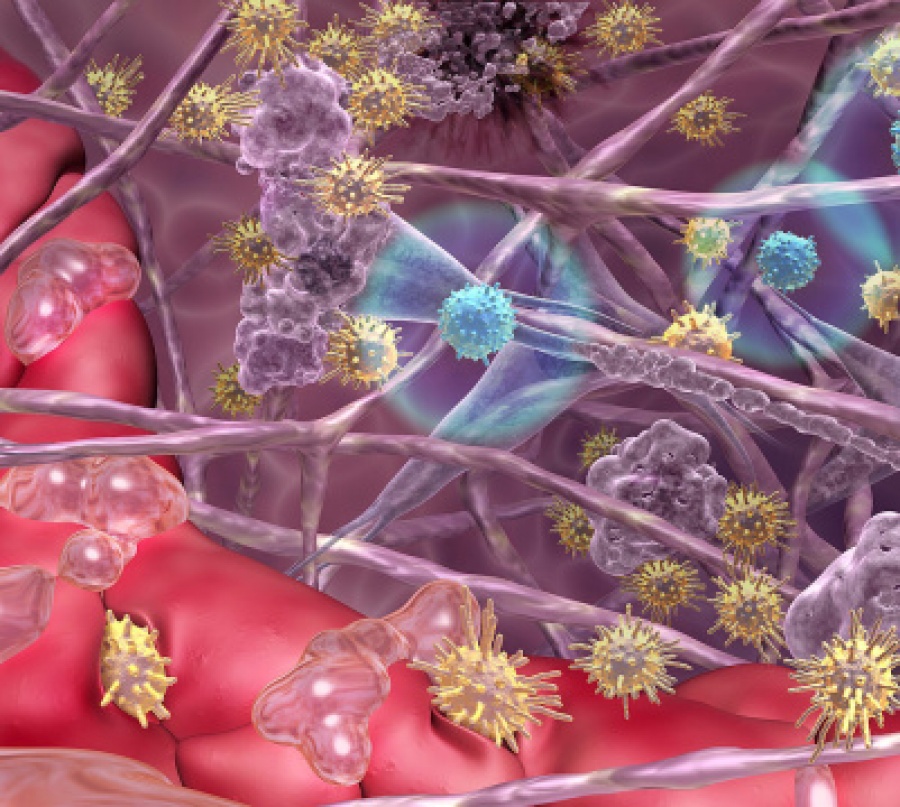
There are very good reasons we stopped calling tendonitis "tendonitis", and replaced it with tendinopathy.
It all got back to making the diagnosis, which most of you know I am a huge fan of! If you do not make the diagnosis, it is pretty difficult to formulate a treatment plan, and nowhere is this more evident than with the extremely tricky issues that occur around tendons!
Read articleFood for thought: Two very different but very interesting new papers.
These two papers could not be more different, but they are hugely relevant to your clinical practice. Take a quick look!

Kluitenberg et al, 'What are the Differences in Injury Proportions Between Different Populations of Runners? A Systematic Review and Meta-Analysis' in Sports Medicine [April 2015] ...
Read articleIs there a link between athletic shoe drop and injury? Yes? No? Maybe?

I have been musing lately on the relationship between drop and injury. It is a discussion I have often had, trying to figure out if drop really is a performance and injury issue... or just a way to strip weight out of the shoe.
The discussion folds nicely into that of heel lifts for conditions like Achilles tendinopathy or even Sever's disease, which is common practice, and achieves results anecdotally. But, I am interested in what the science tells us.. is there a real reason to go up, or down with drop, as we look at injury?
Read article9 tendon truths you must know!
Dr Peter Malliaras is a world authority on tendon injury, and has published some of the best recent research on the topic.

Today, he has very generously agreed to allow me to reproduce a recent blog from his excellent website Complete Sports Care. This is essential reading for anyone interested in, or who treats, tendon injury.
Read articleFoot orthoses and patellofemoral pain: frontal plane effects during running
Evidence supports the use of foot orthoses for PFP, but their mechanism of action is not well understood. New research suggests the effect of orthoses on timing of frontal plane moments may be an important variable.
Running is a common mode of physical activity due to its convenience, relatively low cost, and positive impact on health.1 Unfortunately, the incidence of lower extremity running-related injury has been reported to be as high as 79%, with the majority of these events occurring at the knee joint.2
Read articleMarfans Syndrome and Ehler's Danlos: More common than you think?
BB member James asked me an excellent question about hypermobility in kids, especailly athletic children. There are two important inherited disorders of connective tissue that merit discussion in realation to this question for their ability to precipitate sports injuries.... sometimes with catastrophic consequences.
Read articleAchilles tendinopathy.. where are we at?
While I am thinking about my next move with my mate's manky Achilles, I thought it might be appropriate to give an update on treatment for Achilles tendon pain. Let's first look at the insertional variant.
First of all, how common is Achilles Tendinopathy in runners?
Read article| < | 01234 | > |