

Localised muscle fatigue. What does it REALLY do to the runner? 1 CME credit.
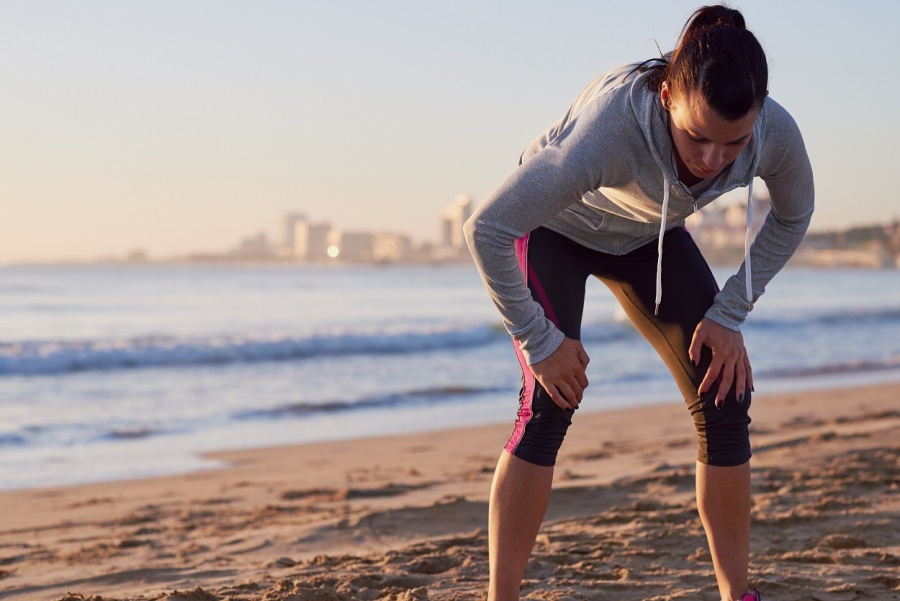
I have perviously written about fatigue in sport here and here but because it is such an important topic, I thought we might take a look at the most current info.
Personally I think the effect of fatigue on energy output, altered gait biomechanics and injury is the Holy Grail of sports medicine. It effects every athlete in every sport, and whilst we have a poor understanding of this currently, what we do know is that fatigue has a profound effect on all three varialbles. I shall turn my focus fairly specifically to muscle fatigue, rather than general physiologic fatigue in this little discussion.
Read articleJust how important is limited ankle joint dorsiflexion in injury? It is very.. VERY important!
An interesting paper popped into my alerts today, and it really got me thinking. Of all the biomechanical variables we look at in terms of injury prediction and recovery, is there one that continually rears its ugly head. And I reckon the answer is "yes, there is". It is that nasty beasty, limited ankle joint dorsiflexion range of motion!
I talk about this a lot during my Functional Athlete Assessment Protocol workshop, because limited ankle joint dorsiflexion is compensated in so many different ways, potentially all the way up the kinetic chain.
Read articleDon't know your terminal swing from average linear velocity? Then here is a GLOSSARY OF TERMS for you!

I thought it might help to define some terms.. so here is a glossary for you! This might be of help, especially for those training new staff..
Read articleRunning shoe prescription: what do we REALLY know?
IS THIS A GOOD SHOE FOR ME? Well...Who knows??!!
Imagine you’re back in high school chemistry. You take 5 units of compound A and mix it with 5 units of compound B. You knew exactly what chemical reaction you were going to get. Unfortunately, the consistency that exists in a chemistry lab does not exist when you are dealing with people.
That’s a problem when you are a healthcare provider. Nobody ever knows for sure how a person is going to react to a drug, a surgery or a rehabilitation exercise protocol. Give the same rehab protocol to 10 different people with Achilles tendinopathy and you will not get the same outcome. More likely, you will get 10 different outcomes. The reason we don’t know is because there are so many variables – acute vs chronic, what part of the tendon, nutritional status, stress, genetics, occupation, mobility, stability/motor control, psychosocial fear about their condition, daily postural habits, medications etc., etc.
This brings me to the topic of this post: Footwear.
Read articleAn addendum: Orthoses.. looks like anyone can prescribe them, but.. Should just anyone?
Just to illustrate what a complete and utter balls up this issue has become, I have added a commentary to the article I wrote on Tuesday. This is a tale of naked greed and deception, intrigue and blatant lying. Read on if you dare!
Read articleOrthoses.. looks like anyone can prescribe them, but.. Should just anyone?
I have been pondering this question for some time, years actually. My prudent voice told me it was too risky to discuss because I would invariably p*ss someone off if I said what I really thought. However, my righteous and indignation voice feels I have to speak up, because things just seem to have got out of hand..
Read articleA comprehensive and pictorial essay on tumours that masquerade as sports injury. 1 CME point

So.. we have looked at the general rules for spotting tumours that masquerade as sports injury. Let's now take the next important steps: Identify the actual tumour, map its prognosis, examine its distribution, and talk about treatment.
Read articleWhat you absolutely, positively CANNOT afford to miss. Tumours that pose as sports injury. 0.5 CME credits
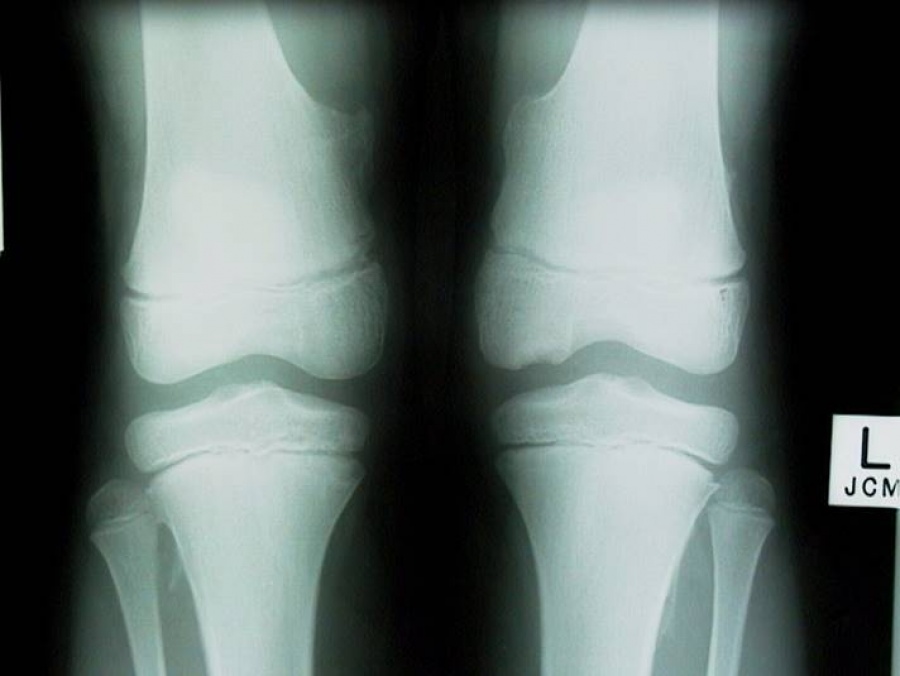
“A brain scan revealed that Andrew Caddick is not suffering from a stress fracture to the shin”
Joe Sheldon, Sports Commentator.
Neoplastic disease masquerading as a sports injury. Miss this one at your peril..
Non-resolving or atypical pain as a result of sporting injury is a far from uncommon event in active patients. Benign tumours, including osteoid osteoma, aneurysmal bone cyst and chondroblastoma can mimic the symptoms of common sports-related injury e.g. muscle or tendon injury.
Read articleOne of the most asked questions: How long will my shoe last? So, what's the answer? 0.5 CME credits
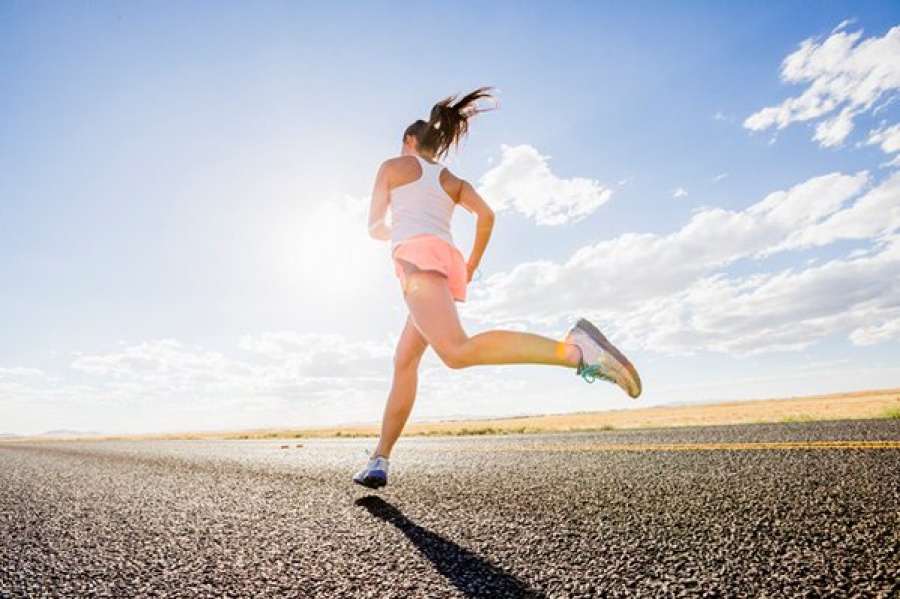
I recently was interviewed for a running magazine on this very topic, and I thought I would share my thoughts from that interview, and.. expand a little.
This is one of the most common questions clinicians and retail get asked, and of course, it is completely different from sport to sport.
Read article| < | 01234 | > |