

Research Update February 2015
More juicy snippets of the very latest sports medicine and biomechanics research from around the world. Something for everyone!

In-shoe multi-segment foot kinematics of children during the propulsive phase of walking and running. Wegener, C., Greene, A., Burns, J., Vanwanseele, B., Smith, R.M. 2015 Human Movement Science 39, pp. 189-199
Read articleInfluence of foot orthosis customisation on perceived comfort during running
The perceived level of comfort of footwear is considered to be a protective measure of the potential risk of running injuries.

This study compared runners' perception of comfort of custom-made and prefabricated orthoses while running. It found that even though custom-made orthoses are closely matched to each individual's foot, such customisation does not necessarily imply greater comfort.
Read articleMinimalist, standard and no footwear on static and dynamic postural stability following jump landing
A new paper produces surprising results in terms of static and postural control, which are linked directly to mechananoreceptor and proprioceptive responses.
Minimalist, standard and no footwear on static and dynamic postural stability following jump landing. Zech et al, European Journal of Sport Science, Published online: 10 Jul 2014.
Read articleA useful on-line resource.. but with some major red flags!
I was lucky enough to be invited to lecture at ASPETAR in Doha, Qatar in September last year. Along side me for this mini conference were Professors Benno Nigg and Joe Hammil, and Dr. Steef Bredeweg.
ASPETAR is one of, if not THE leading sports medicine centres in the world. We have not 1 but 2 of our illustrious Bartold Biomechanics members working there, in Craig Tanner and Ken Van Elsenoy!
Read articleSome quality papers for your reading pleasure
Nice little batch on running mechanics.. more to follow!
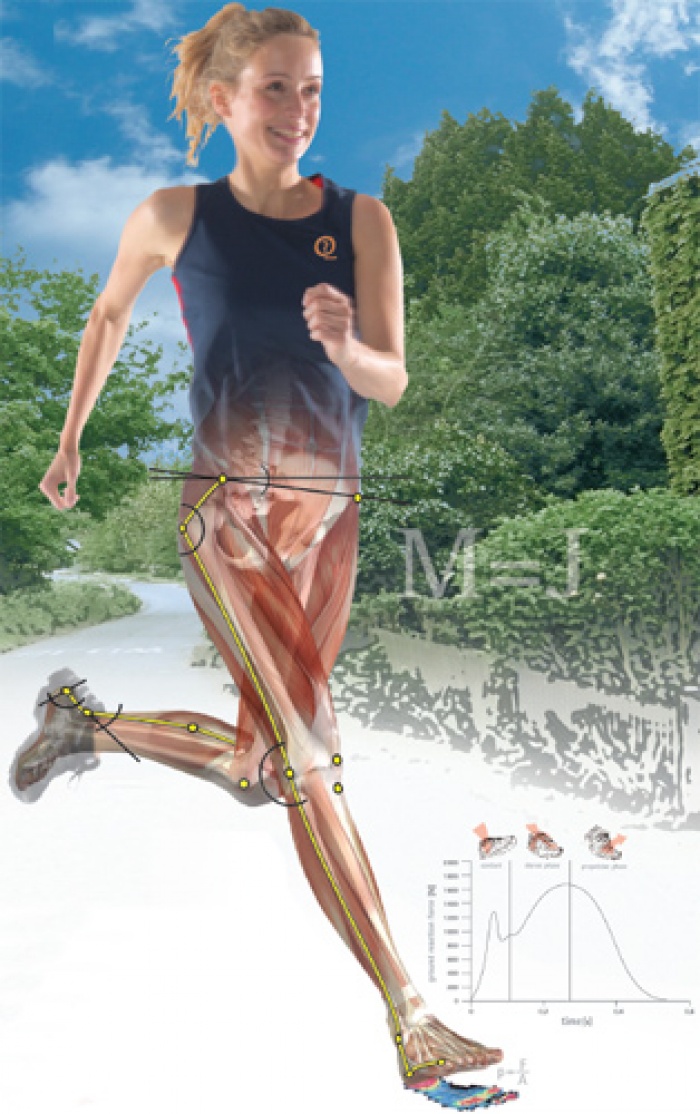
Interaction effects of stride angle and strike pattern on running economy.
Read articleA new method for treating plantar fasciitis
I have long suspected, given the similarities between tendinopathy and plantar fasciitis, that exercise may play a key role in the resolution of this pesky problem. A new study appears to support this...
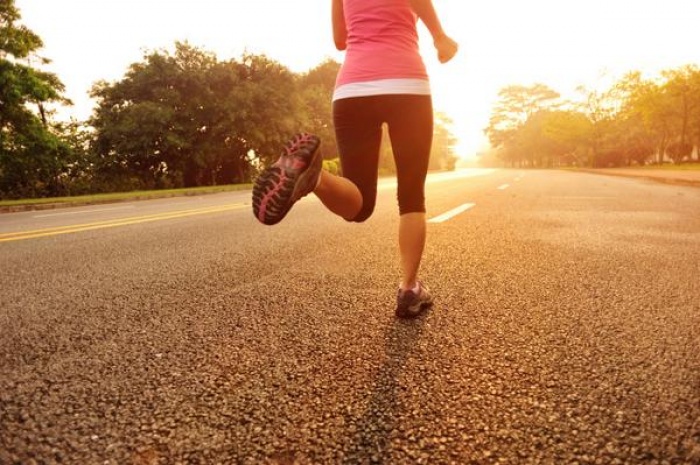
High-load strength training improves outcome in patients with plantar fasciitis: A randomized controlled trial with 12-month follow-up. Rathleff et al Scandinavian Journal of Medicine & Science in Sports published online: 21 AUG 2014
Read articleResearch Update August 2014
PRP improves short term clinical results in tendinopathy of Achilles tendon
Conti, L.A.a , Araujo, M.G.S.a, Sotelano, P.a, Carrasco, M.b, Migues, A.c Sport-Orthopadie - Sport-Traumatologie
2014 Article in press
Abstract
Background: Chronic Achilles tendinopathy is a common pathology and standardized treatment strategies are lacking. The purpose of this study is to evaluate the efficacy of Platelet Rich Plasma (PRP) injections in treatment of Achilles tendinopathy. Materials and Methods: Twenty tendons in seventeen patients were included. Mean age of participants was 52.6 years (range, 34-72 years). All patients were treated by one single PRP injection. American Orthopaedic Foot & Ankle Society (AOFAS) Hindfoot Score and pain level according to Visual Analogue Scale (VAS) were noted in all patients pre-treatment and at 2 weeks, 2 and 6 months post-treatment. Results: The average AOFAS Hindfoot Score increased from 37.95 points (range, 33 to 52 points) pre-treatment to 90.8 (range, 83 to 97 points) post-treatment at 6 months. The average pain level according to VAS decreased from 8.65 points pre-treatment to 1.15 points post-treatment at 6 month. All patients returned to daily activities after 2 weeks and to sports activities after 1 month. Two of the patients were able to practice sports after the 3 month post PRP injection due to pain. None of the patients showed complications or adverse effects after the PRP injection. Conclusion: Local PRP injections showed effective results in chronic Achilles tendinopathy without any complications and seems to be a good treatment alternative in this entity. Moreover it might have the ability to avoid surgical intervention. Level of Evidence: IV.
Commentary: At level IV this is a very low level of evidence, and it rings out as a typical orthopaedic study, which often reference VAS or other scoring systems as main basis for evidence.
That said, clinically this is interesting, and the reported results, with all patients able to return sport and no complications is worth taking note of.
How young is too young to start training?
Myer et al, ACSM’s HEALTH & FITNESS JOURNAL | www.acsm-healthfitness.org VOL. 17/ NO. 5 2013
This emphasizes the long-enduring interest in the most appropriate and safest time during maturation to start specialized physical training (i.e., strength and conditioning, performance enhancement, or injury prevention) with youth.Further questions also arise regarding the determination of the optimal time to initiate and progress programming of physical conditioning for children and adolescents.
Full paper available below.
Bracing superior to neuromuscular training for the prevention of self-reported recurrent ankle sprains: a three-arm randomised controlled trial.
Janssen KW et al. (2014) Br J Sports Med. Online First
There has long been heated debate over the use of strapping and bracing in ankles as one perceives it to be counterproductive and this excellent studies clarifies - and certainly changes my practice.
Caution this drug may cause serious harm! Why we must report adverse effects of physical activity promotion
Evert Verhagen, Caroline Bolling, Caroline F Finch, Br J Sports Med Published Online First 31 July 2014
This is a thought provoking and important article:
The impact of (in)sufficient levels of physical activity (PA) have been well described and without argument, the promotion of PA—defined as moderate to vigorous physical activities, including sports and exercise—is now a cornerstone of contemporary public health.1 In our global effort to decrease the individual and public burden of chronic and lifestyle-related diseases, PA is being promoted as a medicine or drug, with the implication that it is a treatment and a preventive measure. Although the pharmacological benefits of PA have been well described,2 the analogy between PA as medicine is not drawn in full, because any substance that is capable of producing a therapeutic effect can also produce unwanted or adverse effects.3 The potential for adverse effects of PA, and the need to mitigate them, are mostly ignored in PA research and PA interventions alike.
An adverse drug reaction is defined by the WHO as “a response to a drug that is noxious and unintended and occurs at doses normally used in man for the prophylaxis, diagnosis or therapy of disease, or for modification of physiological function.”3 An injury resulting from the recommended daily dose of 30 min of moderate to vigorous PA certainly fits this definition.
What role for MRI in hamstring strains? An argument for a difference between recreational and professional athletes. Orchard, J. Br J Sports Med, Published Online First 25 July 2014
It is tempting to read the Moen et al study and conclude that MRI is not very useful in assessing prognosis of hamstring strains. Previous studies have found a reasonable correlation between MRI severity and clinical outcome, but no previous study has compared such a multitude of clinical parameters with a similar number of MRI parameters head to head with a blinded methodology. That is the strength of Moen's study.
The clinical parameters proved to be at least as good as the MRI parameters and some were clearly superior. The best predictive MRI parameter found that injuries closer to the ischial tuberosity had a worse prognosis, but as a predictive variable it was almost identical to simply recording where tenderness started in relation to the ischial tuberosity on clinical assessment.
The natural tendency of the player and coach is to pretend that pain is not real and that a tough player should be able to push through it. The MRI, when positive for hamstring strain injury (which is not always the case in low-grade injuries), is an objective reminder to all concerned that injuries are real and that there are risks in trying to play with them. If MRI contributes to professional players and coaches properly understanding this, then they are providing real value.
Commentary: John Orchard has been around Australian Rules, Soccer and Rugby League players for many years, so it is worth listening to what he has to say. Thye knee jerk reaction to the Moen paper is to ditch MRI in favour of clinical testing (which must NEVER be undervalued). This however, as underlined by Orchard's essay, may not help the player, and may negate the value of a superb imaging modality.
and then to balnace this off..
Clinical findings just after return to play predict hamstring re-injury, but baseline MRI findings do not
DeVos et al, Br J Sports Med Published Online First 18 July 2014
Abstract
Background Acute hamstring re-injuries are common and hard to predict. The aim of this study was to investigate the association between clinical and imaging findings and the occurrence of hamstring re-injuries.
Methods We obtained baseline data (clinical and MRI findings) of athletes who sustained an acute hamstring injury within 5 days of initial injury. We also collected data of standardised clinical tests within 7 days after return to play (RTP). The number of re-injuries was recorded within 12 months. We analysed the association between the possible predictive variables and re-injuries with a multivariate Cox proportional-hazards regression model.
Results Eighty patients were included at baseline and 64 patients could be included in the final analysis because data after RTP were not available in 16 cases. There were 17 re-injuries (27%). None of the baseline MRI findings were univariately associated with re-injury. A higher number of previous hamstring injuries (adjusted OR (AOR) 1.33; 95% CI 1.11 to 1.61), more degrees of active knee extension deficit after RTP (AOR 1.13; 95% CI 1.03 to 1.25), isometric knee flexion force deficit at 15° after RTP (AOR 1.04; 95% CI 1.01 to 1.07) and presence of localised discomfort on hamstring palpation after RTP (AOR 3.95; 95% CI 1.38 to 11.37) were significant independent predictors of re-injury. Athletes with localised discomfort on hamstring palpation just after RTP were consequently almost four times more likely to sustain a re-injury.
Conclusions The number of previous hamstring injuries, active knee extension deficit, isometric knee flexion force deficit at 15° and presence of localised discomfort on palpation just after RTP are associated with a higher hamstring re-injury rate. None of the baseline MRI parameters was a predictor of hamstring re-injury.
And finally, the final paper of the recent International Running Shoe Symposium, held in Calgary in honour of Professor Benno Nigg's retirement. Appropriately, this was deliverd by Professor Nigg himself, the most important scientist, biomechanist and commentator on athletic footwear.. ever. I have got to know Benno very well over the years, and am very proud to call him a friend. I was gutted to not be able to attend this conference..
Running shoes and running injuries - some critical considerations
BENNO M. NIGG, Jennifer Baltich, Hendrik Enders, Stefan Hoerzer and Sandro Nigg Faculty of Kinesiology, University of Calgary, Calgary, AB, Canada.
Introduction: During the last four decades, several hundred scientific studies have been published concerning running shoes and running injuries and lately paradigms or concepts have been proposed and studied in the attempt to understand running related biomechanics. Examples include:
• the muscle tuning paradigm muscles are tuned before landing on a shoe/surface combination to minimize soft tissue vibrations (Nigg, 1997; Nigg and Wakeling, 2001)
• the preferred movement path paradigm the skeleton attempts to stay in a preferred movement path for every joint during a specific movement (Nigg, 2010) and
• the concept of functional groups groups of people react to a specific intervention in a very group-specific way (Nigg, 2010).
With all these scientific findings and paradigms/concepts the question remains, however, whether and how much these changes in running shoes have affected the injury frequency in running and more specifically whether shape and function of running shoes had/have an effect on the injury frequency in running. This presentation will address these questions in the form of a general review and will propose a new paradigm/concept that relates to shoes and running injuries.
Injury frequency: Many studies have been published on the frequency of injuries in running. Most of them suggested that the likelihood of running injuries has not changed over the last decades. However, they used different injury definitions (from discomfort to days of running to medical intervention) and different populations (the running population is different in 2014 than it was in 1970). Therefore, it is not possible to make a conclusive statement about the change in running injuries over the last four to five decades.
Possible biomechanical factors influencing injuries: In the early years of the running boom (late 1960‟s and early 1970‟s), “excessive” impact forces and foot pronation were the proposed and unchallenged reasons for running injuries. In the last two decades several biomechanical studies “provided evidence” for these and other proposed injury reasons, while others challenged some of them. However, all epidemiological “running injury studies” published in the last 30 years have one common short-coming: They were all done with small subject sample sizes (typically smaller than 60). Consequently, these studies cannot provide conclusive statements about biomechanical injury factors. Additionally, based on functional considerations, one can conclude that the biomechanical variables that deal with impact and excessive pronation have been shown to be weak predictors of running injuries.
Comfort: Some studies (again with small sample sizes) suggested that specific shoes or insoles/orthotics are associated with a reduction of injuries. However, all studies with significant differences between two shoe/insole/orthotic conditions had one thing in common: The more comfortable shoes/insoles/orthotics resulted in fewer injuries. One study showed that subjects using an individually selected comfortable insole had substantially less injuries than subjects using the same shoe with no insole (Muendermann et al., 2001). Thus, it seems that we use our comfort sensing system to protect ourselves from injuries. This leads to the proposal of a new paradigm:
The comfort filter paradigm:
Runners use their comfort assessment to select shoes that will have lower injury rates.
Shoe discomfort seems to be an indicator of an increased injury risk.
Due to this, running injuries are and were always relatively constant and running injuries are more a function of training errors, mileage and similar factors and less dependent on the biomechanical characteristics of shoes (van Mechelen, 1992). The runners have already selected the right products.
Summary: There is no conclusive evidence that the changes in running shoes over the years have had an effect on the injury frequency in running. The comfort filter paradigm might explain why running injuries are primarily a function of training errors, mileage and similar factors and less dependent on the sport shoes used (van Mechelen, 1992). Runners have been already selecting and using the right products. Runners select their running shoes based on their comfort assessment. Thus, they exclude those shoes that may have an increased injury risk.
Commentary: A perfect full stop to an extraordinary and brilliant career. The take home message? There is no right or wrong in relation to all the myriad theories that have been proposed in relation to running injury and footwear over the past 40 years, perhaps with the exception of choosing a shoe that is not comfortable!
The responses to interventions are individual and very subject specific. In the future we should be identifying functional groups, identifying group characteristics and then assessing the different frequencies and location of injuries within these groups.
Read articleMy top 10 papers from ACSM 2014
ACSM is due to start a bit later this month. Here are my top 10 abstracts from the upcoming conference.

In a sign of the times, out of many thousands of papers, only 5 on barefoot or minimalist running. Only one of them made my top 10.. a study of 1027 soldier showing foot strike pattern made NO difference to injury!!
Read articleResearch update 12.03.14
Influence of midsole hardness of standard cushioned shoes on running-related injury risk: Theisen et al, British Journal of Sports Medicine Volume 48, Issue 5, March 2014, Pages 371-376.
Abstract
Background In this double-blind randomised controlled trial, we tested if leisure-time runners using shoes with less compliant midsoles have a higher running-related injury (RRI) risk. Method We provided 247 runners with standard running shoes having either a soft study shoes (soft-SS) or a hard study shoes (hard-SS) midsole and followed them prospectively for 5 months regarding RRI. All information about sports practice and injuries was uploaded on a dedicated internet platform and checked for consistency and completeness. RRI was defined as any first-time pain sustained during or as a result of running practice and impeding normal running activity for at least 1 day. Cox proportional hazards regressions were used to identify RRI risk factors. Result The type of study shoes used for running was not associated with RRIs (HR=0.92; 95% CI 0.57 to 1.48). The hard-SS had a 15% greater overall stiffness in the heel region. The two study groups were similar regarding personal and sports participation characteristics, except for years of running experience, which was higher ( p<0.05) in the hard-SS group. Global RRI incidence was 12.1 RRI/1000 h of running. No between-group differences were found regarding injury location, type, severity or category. Nevertheless, the adjusted regression model revealed positive associations with RRI risk for body mass index (HR=1.126; 95% CI 1.033 to 1.227), previous injury (HR=1.735; 95% CI 1.037 to 2.902) and mean session intensity (HR=1.396; 95% CI 1.040 to 1.874). Protective factors were previous regular running activity (HR=0.422; 95% CI 0.228 to 0.779) and weekly volume of other sports activities (HR=0.702; 95% CI 0.561 to 0.879).
Conclusions Midsole hardness of modern cushioned running shoes does not seem to influence RRI risk.
Commentary: This excellent paper gives us so much more information in relation to running related injury risk than just midsole hardness.. although the conclusion on this aspect is interesting. Whilst there may be no surprises that BMI, session intensity (including the risk of overtraining or toxic training) and previous injury, it is nice to see it put togther in a RCT. The key take home message for me is that participation in other sports activity is protective of running related injury in this study. Been saying it for years people!!
Mechanical and Physiological Examination of Barefoot and Shod Conditions in Female Runners. Paulson et al, Int J Sports Med 2014 Article in Press
Abstract
Barefoot running and running using minimalist footwear have become increasingly popular in recent years. Footwear choice may affect running mechanics and the metabolic cost of running. To investigate these factors, 8 well-trained, female distance runners (mean age=20.1±1.4 years) were recruited to participate in the study. Following orientation to testing procedures, subjects completed 3 running economy tests on separate days. Treatment order (barefoot, minimalist footwear and running shoe) was counter-balanced. Each testing session consisted of a 5-min warm-up at 2.24 m · s−1, followed by the 7-min RE test at 3.13 m · s−1. Biomechanical data were collected at the 3-min mark for 10 s, and expired gases were collected from minutes 5–7. One-way repeated measures ANOVA revealed a statistically significant difference for running economy (p=0.04), expressed as relative oxygen uptake per km in the barefoot condition (running shoe: 204.51±2.84; minimalist footwear: 198.21±3.04; barefoot: 193.26±3.62 ml · kg−1· km−1) vs. running shoe. The other physiological and biomechanical variables were not statistically significant (p>0.05). However, moderate to large effect sizes suggested there were biomechanical changes that ensured between conditions. It should be further evaluated whether these mechanical adjustments and the running economy trend would translate into improved distance race performance while running barefoot or with minimalist footwear.
Commentary: A bit dodgy, because effect sizes have no relevance in studies where there is no statistically significant difference between variables, per this study! All the same, there were significant differences seen between the barefoot and shod conditions in terms of running economy
Plantar loading during jumping while wearing a rigid carbon graphite footplate. Queen et al, Gait & Posture, Volume 39, Issue 2, February 2014, Pages 707–711
Abstract
Fifth metatarsal stress fractures are common in sports and often result in delayed and non-union. The purpose of this study was to examine the effect of a rigid carbon graphite footplate (CGF) on plantar loading during take-off and landing from a jump. Nineteen recreational male athletes with no history of lower extremity injury in the past 6 months and no foot or ankle surgery in the past 3 years participated in this study. Subjects completed 7 jumping tasks while wearing a standard running shoe and then the shoe plus the CGF while plantar loading data was recorded. A series of paired t-tests were used to examine differences between the two footwear conditions independently for both takeoff and landing (α = 0.05). The contact area in the medial midfoot (p < .001) and forefoot (p = .010) statistically decreased when wearing the CGFP. The force–time integral was significantly greater when wearing the CGFP in the middle (p < .001) and lateral forefoot (p = .019). Maximum force was significantly greater beneath the middle (p < .001) and lateral forefoot (p < .001) when wearing the CGFP, while it was decreased beneath the medial midfoot (p < .001). During landing, the contact area beneath the medial (p = .017) and lateral midfoot (p = .004) were significantly decreased when wearing the CGFP. The force–time integral was significantly decrease beneath the medial midfoot (p < .001) when wearing the CGFP. The maximum force was significantly greater beneath the medial (p = .047) and middle forefoot (p = .001) when the subject was wearing the CGFP. The maximum force beneath the medial midfoot (p < .001) was significantly reduced when wearing the carbon graphite footplate. The results of the study indicate that the CGF is ineffective at reducing plantar loading during jumping and landing.
Short-Term Changes in Running Mechanics and Foot Strike Pattern After Introduction to Minimalistic Footwear . Willson et al, PM&R Volume 6, Issue 1, January 2014, Pages 34–43
Objective: To examine short-term adaptations in running mechanics among runners who typically run in conventional cushioned heel running shoes as they transition to minimalistic footwear. Design: A 2-week, prospective, observational study. Setting: A movement science laboratory. Participants: Nineteen female runners with a rear foot strike (RFS) pattern who usually train in conventional running shoes. Methods: The participants trained for 20 minutes, 3 times per week for 2 weeks by using minimalistic footwear. Three-dimensional lower extremity running mechanics were analyzed before and after this 2-week period. Main Outcome Measurements: Hip, knee, and ankle joint kinematics at initial contact; step length; stance time; peak ankle joint moment and joint work; impact peak; vertical ground reaction force loading rate; and foot strike pattern preference were evaluated before and after the intervention. Results: The knee flexion angle at initial contact increased 3.8° (P < .01), but the ankle and hip flexion angles at initial contact did not change after training. No changes in ankle joint kinetics or running temporospatial parameters were observed. The majority of participants (71%), before the intervention, demonstrated an RFS pattern while running in minimalistic footwear. The proportion of runners with an RFS pattern did not decrease after 2 weeks (P = .25). Those runners who chose an RFS pattern in minimalistic shoes experienced a vertical loading rate that was 3 times greater than those who chose to run with a non-RFS pattern. Conclusion: Few systematic changes in running mechanics were observed among participants after 2 weeks of training in minimalistic footwear. The majority of the participants continued to use an RFS pattern after training in minimalistic footwear, and these participants experienced higher vertical loading rates. Continued exposure to these greater loading rates may have detrimental effects over time.
Do novice runners have weak hips and bad running form?
Schmitz et al. Gait & Posture; Available online 3 March 2014
First, we sought to better understand the predisposition of novice female runners to injury by identifying potential differences in running mechanics and strength between experienced female runners and active novice runners. Secondly, we aimed to assess the relationship between hip and trunk strength with non-sagittal hip kinematics during running. Two female populations were recruited: 19 healthy experienced runners and 19 healthy active novice runners. Strength measurements of the hip abductors and external rotators were measured using a hand held dynamometer while trunk endurance was assessed via a side-plank. Next, an instrumented gait analysis was performed while each participant ran at 3.3 m/s. Group comparisons were made using an independent t-test to identify differences in the impact peak, loading rate, peak non-sagittal hip joint angles, trunk endurance, and hip strength. Pearson’s correlation coefficients were calculated between hip kinematics and strength measurements. There were no statistically significant differences in impact peak, loading rate, peak non-sagittal hip kinematics, or strength. However, the novice runners did show a clinically meaningful trend towards increased peak hip internal rotation by 3.8 degrees (effect size 0.520). A decrease in trunk side-plank endurance was associated with an increased peak hip internal rotation angle (r = -.357, p = 0.03), whereas isometric strength was not related to kinematics. Programs aiming to prevent injuries in novice runners should target trunk performance and possibly hip neuromuscular control, rather than hip strength.
Commentary: Major statistical analysis problems render the conclusions of this study virtually worthless unfortunately. Craig Payne did a major hatchet job onn this one here!
The Use of Dry Needling and Myofascial Meridians in a Case of Plantar Fasciitis
Journal of Chiropractic Medicine 2014 Article in press, Behnam et al.
Abstract
Objective
The purpose of this case report is to describe the use of dry needling based on myofascial meridians for management of plantar fasciitis.
Clinical features
A 53-year-old man presented with bilateral chronic foot pain for more than 2 years. After 2 months of conventional treatment (ultrasound, plantar fascia and Achilles tendon stretching, and intrinsic foot strengthening), symptoms eventually improved; however, symptoms returned after prolonged standing or walking. Almost all previous treatment methods were localized in the site of pain that targeted only the plantar fascia. Initial examination of this individual revealed that multiple tender points were found along the insertion of Achilles tendon, medial gastrocnemius, biceps femoris, semimembranosus, and ischial tuberosity.
Intervention and outcome
Dry needling of the trigger points was applied. After 4 treatments over 2 weeks, the patient felt a 60% to 70% reduction in pain. His pressure pain threshold was increased, and pain was alleviated. The patient returned to full daily activities. The rapid relief of this patient’s pain after 2 weeks of dry needling to additional locations along the superficial back line suggests that a more global view on management was beneficial to this patient.
Conclusion
Dry needling based on myofascial meridians improved the symptoms for a patient with recurrent plantar fasciitis.
Commentary: Well, this is interesting, and I am beciming more suspicious that trigger points may be involved in plantar heel pain, but this is a case report of 1 patient, the lowest possible form of publishable paper, and so must be taken as anecdotal evidence.
Gender-Related Effect of Aging on the Sonographic Appearance of Plantar Fascia. Ju-Wen Cheng et al, Journal of Musculoskeletal Pain, March 2014, Vol. 22, No. 1 , Pages 33-37
Objectives: To investigate the association between demographic variables [especially age] and the sonographic appearance of the plantar fascia [PF]. Methods: Twenty-six healthy volunteers [52 feet, age 24-79 years] without inferior heel pain were recruited. The thickness of the PF of the participants was measured in sonographic examination. The mean grey level in the region of interest in the sonogram of each PF was calculated using image processing software. Pearson's correlation and stepwise regression analyses were performed between demographic variables and sonographic measures. Results: The mean thickness of the PF was 0.319 ± 0.059 cm for men and 0.309 ± 0.093 cm for women. Stepwise regression analysis showed that age is an independent predictor of the thickness of the PF, and age and gender are independent predictors of echogenicity of the PF. Pearson's correlation analysis showed significant positive correlations between age and thickness of the PF [r = 0.538] and between gender [male/female = 0/1] and echogenicity of the PF [r = 0.437]. A negative correlation between age and echogenicity of the PF [r = -0.344] was also shown. We divided the subjects into two gender-based groups and found significant correlations between age and sonographic measures only in the female group. Conclusions: The thickness of the PF increases and the echogenicity of the PF decreases with age. Although the echogenicity of the PF is higher in women than in men, the PF of women shows a greater association with aging.
Commentary: Relatively small sample size for this type of study, but nevertheless interesting information and a well conducted study. Underlines the importance of early US investigation of plantar heel pain. Again begs the question, why does the thickening and increased echogenicity occur?
Impact of Training characteristics on running related injuries in recreational runners. L Malisoux, A Urhausen, D Theisen Br J Sports Med 2014;48:631-632 (Abstracts from the IOC World Conference on Prevention of Injury & Illness in Sport, Monaco 2014)
Background: Most running-related injuries (RRI) are attributed to training errors.
Objective: This study investigated which running training characteristics are potential risk factors for RRI.
Design: Prospective cohort study.
Setting: Recreational distance runners.
Participants: A total of 267 participants accepted to upload weekly all information about running training characteristics, other sport participation and injuries on a dedicated internet platform.
Risk factor assessment: This 9-month follow-up investigated if the risk for RRI was influenced by some of the following running training characteristics: weekly volume (hours/week), weekly frequency (session/week), self-reported session intensity (CR10-Borg Scale), week-to-week absolute change in distance (km/week) and the concomitant use of different pairs of shoes (parallel use of a minimum of 2 different pairs of running shoes).
Main outcome measurements: The primary outcome measure was total volume (hours) of running training and competitions (exposure) until the first RRI (Cox regression analyses). A RRI was defined as any physical complaint located at the lower limbs or lower back region, sustained during or as a result of running practice and impeding planned running activity for at least 1 day.
Results: Overall, 89 participants (33%) recorded an RRI. The total incidence was 6.05 injuries per 1000h of exposure. The adjusted Cox regression analysis revealed that participants who practiced more than 2 hours/week were at a lower risk of RRI (Hazard ratio (HR): 0.539; 95% Confident interval (CI): 0.295-0.986) even when controlling for running experience and training regularity during the previous 12 months. The parallel use of more than one pair of running shoes (HR=0.600; 95% CI=0.369–0.975) and the week-to-week absolute change in distance (HR: 0.882; 68% CI: 0.836–0.931) were also protective factors, while previous injury was a risk factor (HR=1.841; 95% CI=1.185–2.860).
Conclusions: This study identified training characteristics which are related to RRI risk.
Commentary: The second major study to stongly suggest that mixing footwear and trainming is protective of injury. One point that is important is the injury rate of 33%, which is in agreement with the majority of studies. Many of the barefoot/minimalist brigade like to quote figure approaching 80% for running, which is not supported by the literature.
Read article
| < | 01234 | > |